
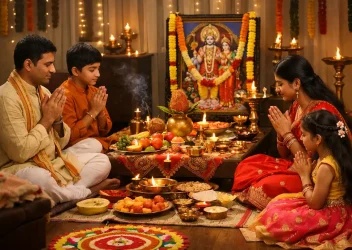
Satyanarayan Pooja (Worship of Lord Vishnu)
Description: This is the most common and powerful ritual dedicated to Lord Vishnu in his benevolent form. It involves gathering family and friends to listen to a sacred story divided into five chapters.
Why it is performed: To bring peace, prosperity, and happiness to the home, or to express gratitude during major life events like buying a new house or getting married.
Key element: The distribution of Prasad (a sweet offering made of roasted semolina, sugar, and milk).
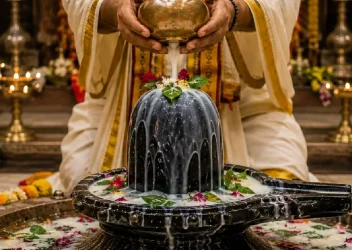
Rudrabhishek (Worship of Lord Shiva)
Description: This is a deeply sacred ritual dedicated to Lord Shiva. It involves chanting powerful Vedic mantras while bathing the Shivling with holy substances like milk, curd, honey, sugarcane juice, and water.
Why it is performed: To gain mental peace, remove negative energies, overcome health challenges, and wash away past sins.
Key element: It holds immense spiritual value when performed on Mondays, Pradosh days, or during the festival of Mahashivratri.
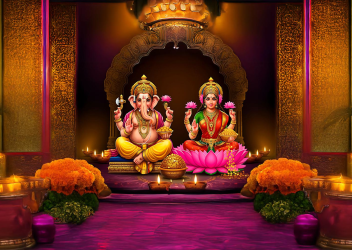
Laxmi-Ganesh Pooja (Worship for Wealth & Wisdom)
Description: This is a joint worship of Goddess Laxmi (the deity of wealth) and Lord Ganesh (the deity of wisdom and remover of obstacles). Lord Ganesh removes hurdles, while Goddess Laxmi brings spiritual and material growth.
Why it is performed: To invite financial stability, success in business, and overall household well-being.
Key element: This is the main and defining ritual performed in every Hindu home and office on the auspicious evening of Diwali.
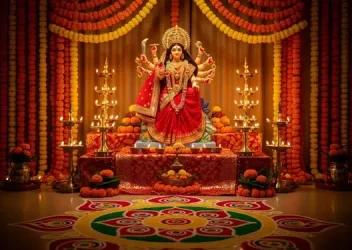
Durga Pooja / Navratri Utsav (Worship of the Divine Mother)
Description: A vibrant 9-night festival dedicated to the nine distinct forms of Goddess Durga (Shakti). It celebrates the ultimate power of the Divine Mother who protects her devotees.
Why it is performed: To gain inner strength, destroy negative habits, and celebrate the victory of good over evil.
Key element: The ritual concludes with Kanya Pujan, where young girls are worshipped as living forms of the Goddess and served a ceremonial feast.
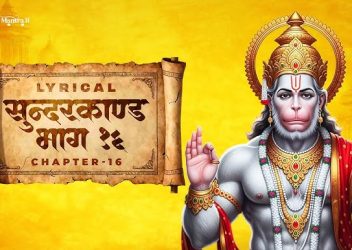
Sunderkand Path (Worship of Lord Hanuman)
Description: This is the chanting of a specific, glorious chapter from the epic Ramcharitmanas. It beautifully details Lord Hanuman’s heroism, intelligence, devotion, and his successful journey to Lanka to find Sita Mata.
Why it is performed: To banish fear, boost self-confidence, protect against negative vibes, and overcome massive life difficulties.
Key element: It is traditionally chanted in groups on Tuesdays and Saturdays, often accompanied by musical instruments.
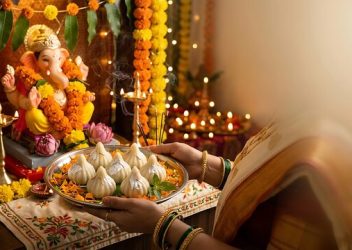
Ganesh Chaturthi Pooja (Worship of Lord Ganesh)
Description: This popular festival involves welcoming beautifully crafted clay idols of Lord Ganesh into homes or community pandals. Devotees offer daily prayers, hymns, and care to the deity for several days.
Why it is performed: To seek blessings before any new venture, enhance intellect, and bring auspicious beginnings to life.
Key element: Serving Lord Ganesh his favorite sweet, Modak, followed by a grand immersion ceremony (Visarjan) in water.